Conch Piercing Healing Time: A Month-by-Month Doctor's Guide

Doctor-written guide
A conch piercing sits in the firm cartilage at the centre of the ear, so it heals more slowly than a lobe and rewards patience. Here is a realistic month-by-month timeline, what normal healing looks like, and how to support it without setbacks.
A conch piercing usually heals in about 6 to 12 months, because it passes through dense ear cartilage with a limited blood supply1, 6. It can look calm within a few months, but the inner channel keeps maturing, so treat it gently and avoid changing the jewellery until a piercer confirms it has healed2.
Full healing
6 to 12 months
Typical range for inner and outer conch piercings in healthy adults.
Looks settled
2 to 4 months
Surface calms first. The channel inside is still forming and fragile.
Tissue
Cartilage
Lower blood supply than the lobe, which is why healing takes longer.
Conch piercing healing, month by month
These timelines are averages, not guarantees. Your body decides when a piercing is healed, not the calendar7. Use the stages below as a guide.
| Stage | Timeframe | What is happening |
|---|---|---|
| Initial | Weeks 1 to 3 | Swelling, warmth, tenderness and clear or pale-yellow lymph that dries into light crusts. |
| Settling | Months 1 to 4 | Soreness eases and the area looks calmer. The channel inside is still fragile and easy to irritate. |
| Consolidating | Months 4 to 8 | New tissue lining the channel matures and strengthens. Flare-ups become less frequent. |
| Healed | Months 8 to 12 | The channel is stable. A piercer can confirm it is safe to change the jewellery. |
Peak swelling and tenderness
Expect a tender ear, some warmth and a little clear or pale-yellow discharge. This is usually lymph, not pus. Cartilage swells more than soft tissue, so the area can feel firm.
Sleep off the piercing and keep hair, headphones and pillows away from it.
It looks better, but it is still fragile
Swelling settles and crusting lightens. This is when many people accidentally restart healing by sleeping on it, snagging it or changing jewellery too soon.
Leave the jewellery in place unless a piercer needs to downsize it once swelling has gone.
Deep healing settles
The piercing becomes much more stable and everyday wear gets easier. Even then, a knock, illness or low-quality jewellery can still irritate it, so do not rush a cosmetic change.
Have a piercer confirm full healing before swapping to new jewellery.
Why conch piercings heal slowly
All piercings move through overlapping wound-healing stages: an early inflammatory stage, a stage that builds new tissue and the channel, then a remodelling stage that strengthens it over months6. Cartilage has a lower blood supply than the soft tissue of a lobe, so each stage takes longer and the surface can look healed long before the inside is ready1.
Weeks 1 to 3
Inflammation: swelling, warmth and tenderness as the body responds to the new piercing.
Months 1 to 4
Rebuilding: it looks calmer, but the channel is still thin and easily disrupted.
Months 4 onward
Remodelling: the channel strengthens, which is why a piercing can seem healed then flare after one rough change.
Inner vs outer conch: does it change healing?
Both sit in cartilage and heal on a similar timeline of roughly 6 to 12 months. Placement, anatomy, jewellery quality and aftercare matter more than inner versus outer position, and a piece worn under headphones can take longer simply because it faces more pressure1.
What helps and what slows healing
Things that help
- Implant-certified, well-polished jewellery in the correct size and shape4.
- Sterile saline with 0.9% sodium chloride, then gentle drying with clean disposable paper2.
- Hands off the piercing unless you are cleaning it2.
- Professional downsizing once initial swelling settles2.
- Good sleep, good nutrition and avoiding smoking where possible.
Why implant-grade titanium suits cartilage piercings
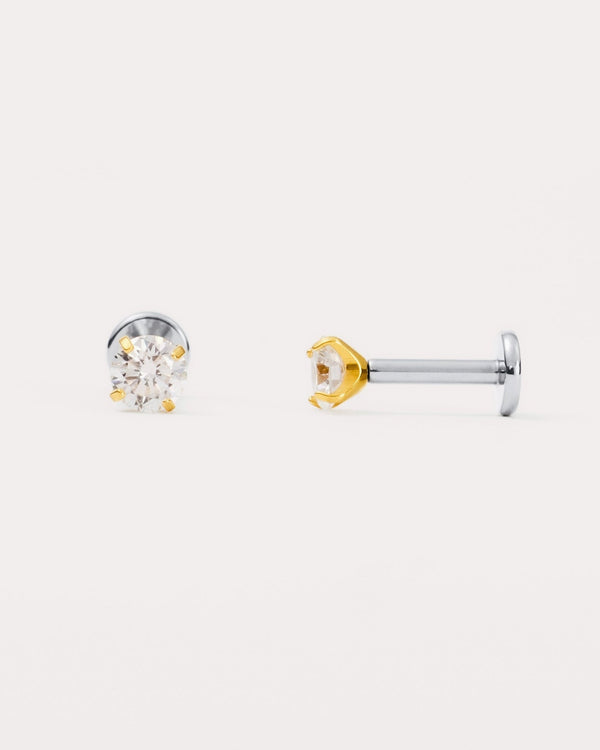
For fresh cartilage piercings, jewellery quality matters as much as aftercare. Professional guidance for initial jewellery includes implant-certified titanium that meets recognised ASTM or ISO implant standards4. Good titanium is light, corrosion resistant and a strong option for wearers concerned about nickel sensitivity.
rhokea's implant-grade titanium has been independently tested by Intertek and confirmed to meet ASTM F136 composition standards and EU nickel-release limits, so what sits in a healing piercing is consistent and skin-safe.
View the Intertek testing certificate
Shop Conch JewelleryWhat is normal, and when to get help
Usually normal
- Swelling, warmth and tenderness in the first weeks.
- Clear, whitish or pale-yellow lymph that dries into small crusts.
- Tenderness that gradually improves week by week.
- A small irritation bump after snagging or sleeping on it5.
Not every sore-looking conch is infected. Irritation is more common and is often triggered by pressure, over-cleaning or an early jewellery change. A small bump after a knock is usually an irritation bump rather than a true keloid. True keloids are less common, grow beyond the piercing site and are more likely with a personal or family history of keloids5. If you are unsure, our guide on telling a piercing bump from a keloid goes deeper.
A simple conch aftercare routine
Use sterile saline
Choose a wound-wash saline listing 0.9% sodium chloride as the only ingredient. Avoid alcohol, peroxide, tea tree oil and homemade salt mixes2.
Clean once or twice daily
Apply saline, let it sit briefly, then pat dry with clean disposable paper. Over-cleaning disrupts healing2.
Protect it at night
Sleep off the piercing. A travel pillow with a hole in the centre can reduce direct pressure.
Leave changes to a pro
If a downsize is needed, let a piercer do it. Cosmetic changes are safest once fully healed2.
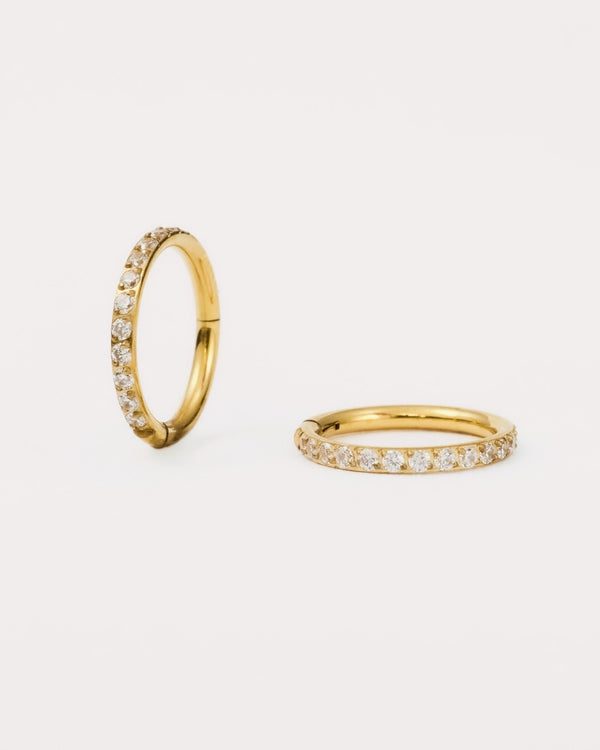
For everyday options once healed, see our conch jewellery guide, or explore skin-safe implant-grade titanium jewellery.
Frequently asked questions
How long does a conch piercing take to heal?
A conch piercing usually takes about 6 to 12 months to heal fully because it passes through dense ear cartilage. It can look calm within a few months, but the inner channel keeps maturing, so it stays sensitive to pressure and jewellery changes for longer.
Why does a conch piercing take so long to heal?
Cartilage has a limited blood supply compared with the soft tissue of an earlobe, so it heals more slowly. The wound also heals from the outside inward, which is why the surface can look settled while the channel inside is still forming.
When can I change my conch jewellery?
Wait until the piercing is fully healed, often 6 to 12 months, and ideally have a piercer confirm it. If a starter post needs downsizing after swelling settles, let a professional do it rather than changing it yourself.
Can I sleep on a conch piercing?
Pressure from sleeping on a fresh conch piercing is a common reason healing stalls or a bump forms. Try to sleep off the piercing where you can. A travel pillow with a hole can reduce direct contact.
What should I clean a conch piercing with?
Use a sterile saline that lists 0.9% sodium chloride as the only ingredient, once or twice a day. Avoid alcohol, hydrogen peroxide, tea tree oil and homemade sea salt mixes, which can irritate healing cartilage.
Is inner or outer conch slower to heal?
Both sit in cartilage and heal on a similar timeline of roughly 6 to 12 months. Placement, jewellery quality, anatomy and aftercare affect the timeline more than inner versus outer position.
What is the best metal for a conch piercing?
Implant-grade titanium that meets ASTM F136 is a widely recommended choice for initial cartilage piercings because it is light, corrosion resistant and low in nickel release. Fit and a smooth finish matter as much as the material.
Why is there a bump on my conch piercing?
Most conch bumps are irritation bumps from pressure, snagging or an early jewellery change, not true keloids. True keloids are less common and grow beyond the piercing site. If a bump persists or grows, have it assessed.
When should I see a doctor about a conch piercing?
Seek medical advice for spreading redness, heat, increasing pain, thick yellow or green discharge, fever or feeling unwell. Cartilage infections can progress quickly, so do not wait if symptoms are worsening.
How do I know my conch piercing is healed?
A healed conch is calm with no swelling, crusting, discharge or tenderness, and the jewellery moves freely without soreness. Because cartilage heals from the inside last, confirm with your piercer before changing jewellery.
Sources
- APP Benelux. Healing times. Lists typical cartilage piercing healing on the order of several months to a year.
- Association of Professional Piercers. Suggested Aftercare for Body Piercings. Recommends sterile 0.9% sodium chloride saline, not rotating jewellery, and avoiding submersion in water during healing.
- StatPearls, NCBI Bookshelf. Body Piercing Infections. Reviews symptoms and complications of infected piercings, including cartilage sites.
- Association of Professional Piercers. Jewelry for Initial Piercings; UKAPP. Jewellery Verification. Guidance on implant-certified titanium for initial jewellery.
- American Academy of Family Physicians. Keloids: Prevention and Treatment. Notes higher keloid risk with a personal or family history.
- StatPearls, NCBI Bookshelf. Wound Healing Phases. Background on inflammatory, proliferative and remodelling stages.
- Association of Professional Piercers. Piercing FAQ. Notes that healing varies between individuals and that the body, not the calendar, decides when a piercing is healed.