Do Piercing Bumps Go Away? A Doctor's Guide

Piercing care, explained by a doctor
A new piercing can develop a small raised bump that feels alarming, especially on the ear or nose. The reassuring news is that most are a normal part of healing, and many settle with patience and the right care. Here is what these bumps are, whether they go away, and how to help them along safely.
Quick answer
Many piercing bumps do go away. Irritation bumps often settle within days to weeks once the cause, such as friction, knocks or unsuitable jewellery, is removed, and hypertrophic scars tend to flatten over months.1 A true keloid is the exception, as it grows beyond the wound and rarely resolves without a clinician.3
Key takeaways
- Most piercing bumps are irritation bumps or hypertrophic scars, which usually improve once the trigger is removed.
- Hypertrophic scars can take months to flatten, while keloids extend past the piercing and need medical input.2
- Leave well-fitted jewellery in, clean with sterile saline, and avoid knocking, twisting or popping the area.4
- See a clinician for a growing, hot or discharging bump, or one that will not settle.
What a piercing bump actually is
A piercing bump is usually the skin's response to irritation around a healing channel, not a single condition.
The term covers a few different things. The most common is a simple irritation bump, a soft, often pink raised area caused by low-grade trauma to the piercing. Next is a hypertrophic scar, a firmer raised scar that forms when the body lays down extra collagen during healing, and which stays within the borders of the wound.2 Less commonly, a bump is a keloid, an overgrown scar that spreads beyond the original piercing site and does not naturally subside.3 Finally, a tender, hot or discharging bump may point to infection rather than scarring.5 Telling these apart matters, because they behave very differently.
So, do piercing bumps go away?
In most cases, yes, but how and how fast depends on which type of bump you have.
Irritation bumps are the most forgiving. Once the source of irritation is removed, they often calm down on their own. Hypertrophic scars also have a good outlook. Research on scar healing shows that these scars cease growing and regress spontaneously over a period of months, with the redness, itching and raised texture easing as they settle.1 Hypertrophic scars generally carry a better prognosis than keloids.2
Keloids are the exception. They extend beyond the boundary of the original wound and do not subside naturally over time, which is why they need a clinician's assessment rather than home care alone.3 Ear piercing is recognised as a higher-risk trigger for both keloids and hypertrophic scars, so gentle, consistent aftercare from the start is worthwhile.2 If you are choosing fresh pieces while you heal, smooth, well-sized options from our titanium earrings for sensitive ears can reduce day-to-day irritation.
A realistic timeline
There is no single deadline, but healing tends to follow a recognisable pattern.
- First few weeksAn irritation bump may appear after a knock, a snag or a change of jewellery. Remove the trigger and many settle within one to three weeks.
- Around 6 to 8 weeksThis is when hypertrophic scars typically become noticeable after a wound begins healing.1
- 3 to 6 monthsA hypertrophic scar may look its most raised and red during this proliferative phase before it starts to improve.1
- Several months onwardMany hypertrophic scars gradually flatten and fade. A bump still growing or spreading past the piercing at this stage should be reviewed by a clinician.
Why piercing bumps form
Most bumps trace back to repeated irritation of a piercing that is still healing.
Common triggers include knocking or catching the piercing, sleeping on it, and frequent touching or twisting. Friction from clothing, headphones or face coverings adds to the load, and changing or removing jewellery too early disturbs the healing channel. Jewellery that is too tight, too heavy or poorly finished can press and rub, while metal sensitivity is another important factor. Nickel is the leading cause of allergic contact dermatitis from jewellery, producing redness, itching and swelling at the site.6 Identifying and removing your particular trigger is usually the single most useful step.
Bump, keloid or infection?
A few simple features help you tell common bumps apart, though only a clinician can confirm.
| Feature | Irritation or hypertrophic bump | Keloid | Possible infection |
|---|---|---|---|
| Borders | Stays within the piercing site | Grows beyond the original wound | Spreading redness and swelling |
| Over time | Tends to settle or flatten1 | Persists or enlarges3 | Worsens quickly |
| Discharge | Little or none | None | Yellow or green discharge5 |
| Sensation | Mild tenderness or itch | Itch, sometimes tender | Hot, increasingly painful |
How to help a bump settle
Gentle, consistent care and removing the trigger give a bump the best chance to calm down.
Use sterile saline labelled as a wound wash, with only 0.9% sodium chloride. Skip homemade salt mixes, which are often too strong and over-dry the area.4
Keep well-fitted jewellery in place while healing unless a clinician advises removal, so the channel does not close over irritation.5
Avoid sleeping on the piercing, knocking it, or letting hair, clothing and headphones snag the area.
Squeezing or picking adds trauma and tends to worsen irritation and scarring. Let it be.
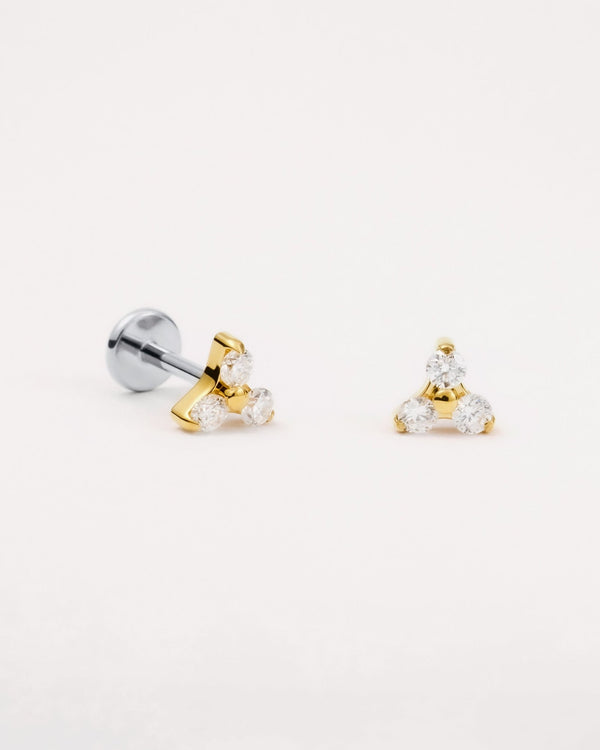
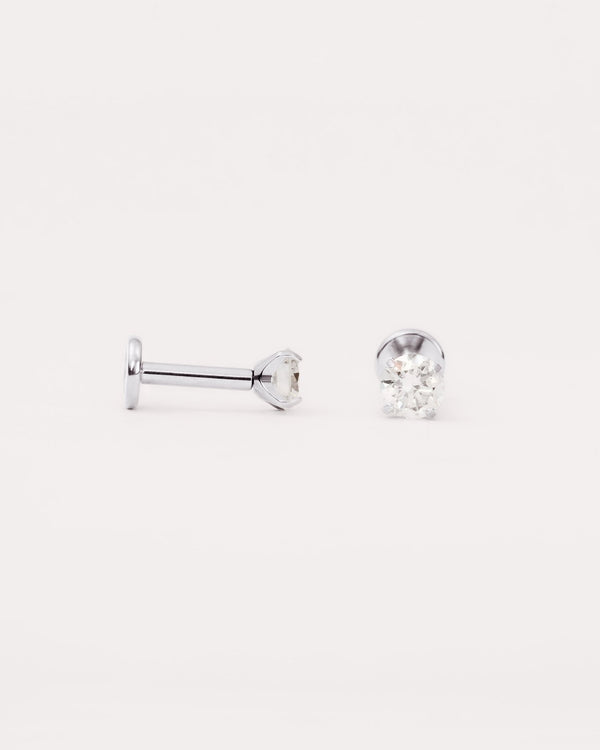
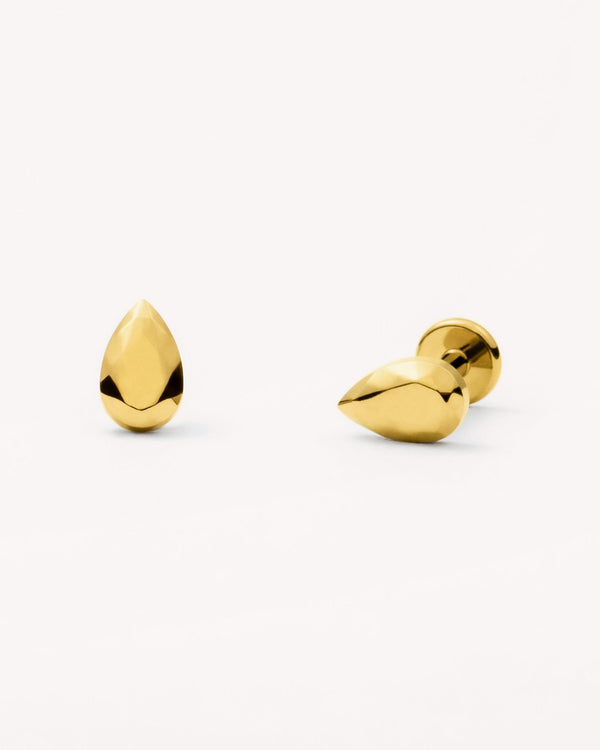
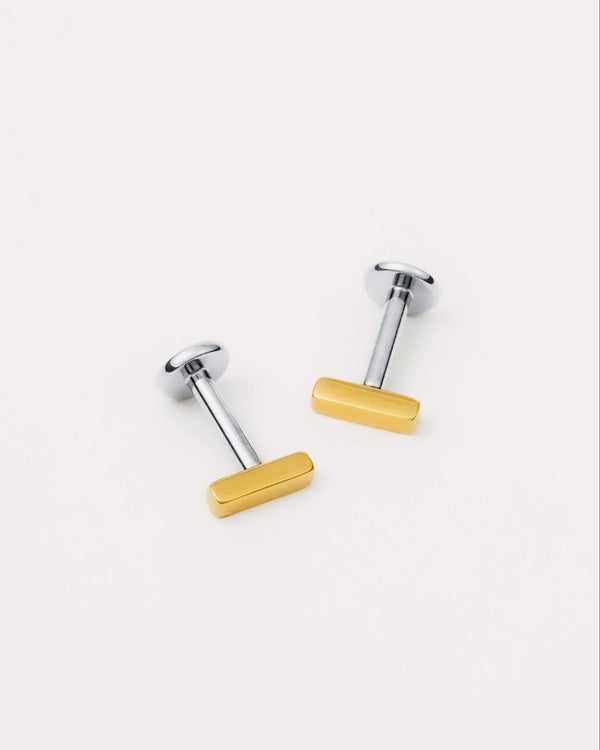
If skin is reacting, switch to a smooth, well-sized implant-grade titanium piece such as a flat back stud that lies flat and snags less.
Give careful aftercare several weeks to work before judging progress, as scars improve gradually.1
When to see a doctor
Get this checked
Speak to a GP, walk-in centre or your piercer if a bump grows beyond the piercing, keeps enlarging, becomes hot or very painful, or leaks yellow or green discharge, as these can point to a keloid or infection. Keep jewellery in unless a clinician tells you to take it out, and remember that an infected piercing may need antibiotics.5 Established keloids are difficult to treat and benefit from early specialist input.2
How jewellery choice affects healing
The metal touching a healing piercing can either soothe it or keep it irritated.
Because nickel is the most common cause of jewellery contact dermatitis, reducing nickel exposure is a sensible way to lower one avoidable trigger.6 Implant-grade titanium is smooth, lightweight and well tolerated, which makes it a calm choice for sensitive or healing skin. A well-finished, correctly sized piece also reduces the friction and pressure that feed irritation bumps in the first place.
The rhokea difference
Our pieces are made from implant-grade titanium (ASTM F136 and F67), the same family of material trusted in medical settings. Independent testing by Intertek found nickel release below the EU REACH limit of 0.2 micrograms per square centimetre per week, so you can see the evidence for yourself.
Read the independent Intertek test certificate, or explore skin-kind pieces designed for everyday wear.
Shop titanium jewellery →Common questions
Do piercing bumps go away on their own?
Many do. Irritation bumps often settle within days to weeks once the cause is removed, and hypertrophic scars tend to flatten gradually over months. A true keloid is the exception, as it rarely resolves without a clinician's help.
How long does a piercing bump take to go away?
There is no fixed timeline. A simple irritation bump may calm down in one to three weeks once friction stops. A hypertrophic scar can take several months to a year or more to regress, with redness and itching easing as it settles.
What is the difference between a piercing bump and a keloid?
An irritation bump or hypertrophic scar stays within the borders of the piercing and usually improves over time. A keloid grows beyond the original wound, can keep enlarging and does not subside naturally, so it needs medical assessment.
Can a piercing bump be a sign of infection?
It can. A bump that is hot, increasingly painful, swollen or leaking yellow or green discharge may signal infection rather than simple irritation. If you notice these signs, see a GP or walk-in centre, and keep the jewellery in unless a clinician advises otherwise.
Should I take my jewellery out if I have a bump?
Usually not. Removing jewellery from a healing piercing can let the channel close and trap irritation or infection inside. The general guidance is to leave jewellery in unless a clinician tells you to remove it.
Does switching to titanium jewellery help a piercing bump?
If a low-quality or nickel-releasing piece is irritating your skin, moving to a smooth, well-fitted implant-grade titanium piece can remove that trigger. Nickel is a leading cause of jewellery contact dermatitis, so reducing exposure can help the area calm down.
What is the best way to clean a piercing bump?
Sterile saline labelled as a wound wash, containing only 0.9% sodium chloride, is the gentlest option. Homemade salt mixtures are no longer recommended because they are often too strong and can over-dry the area.
Can squeezing or popping a piercing bump help?
No. Squeezing, picking or popping a bump adds trauma, can push debris deeper and tends to make irritation and scarring worse rather than better. Leave it alone and let it settle.
When should I see a doctor about a piercing bump?
See a clinician if a bump grows beyond the piercing, keeps enlarging, becomes hot or very painful, leaks coloured discharge, or does not improve after several weeks of careful aftercare. Keloids and infections both need professional treatment.
Do piercing bumps leave a scar?
A mild irritation bump often fades with little or no lasting mark. Hypertrophic scars may leave a faint flattened area, while keloids can leave a raised scar, which is why early, gentle care matters.
Sources
- Wang Z, et al. Dynamic biological changes in fibroblasts during hypertrophic scar formation and regression. PMC. pmc.ncbi.nlm.nih.gov/articles/PMC7949937
- Hartman-Adams H, et al. Management of Keloids and Hypertrophic Scars. American Family Physician (AAFP). aafp.org/pubs/afp/issues/2009/0801/p253.html
- Keloid scars. NHS. nhs.uk/conditions/keloid-scars
- Aftercare. Association of Professional Piercers (APP). safepiercing.org/aftercare
- Infected piercings. NHS. nhs.uk/conditions/infected-piercings
- Contact dermatitis: Causes. NHS. nhs.uk/conditions/contact-dermatitis/causes