Cartilage Piercing Aftercare: A Doctor's Guide to Safe Healing

Doctor-led piercing care
Cartilage piercings such as the helix, conch and tragus are slower and more demanding to heal than a simple earlobe, because cartilage has a far poorer blood supply. Good aftercare is mostly about doing less, gently and consistently. This guide covers the daily routine, what to avoid, and the warning signs that mean it is time to see a clinician.
Quick answer
Clean a healing cartilage piercing about twice a day with sterile saline, washing your hands first, and leave the jewellery still rather than twisting it.1, 3 Avoid alcohol, peroxide and picking at crust. Cartilage heals slowly because it has a poor blood supply, so expect several months.2 See a clinician for spreading redness, swelling or pus.
- Cartilage heals slowly because it has a poor blood supply, so full healing often takes several months to a year.
- Sterile saline twice a day plus clean hands is the whole routine. Harsh antiseptics and twisting the jewellery tend to slow things down.
- Cartilage infections can become serious, including perichondritis. Seek medical help early for spreading redness, heat, swelling or pus.
- A smooth flat-back stud in implant-grade titanium lowers the risk of nickel contact dermatitis during healing.
How long does a cartilage piercing take to heal?
Cartilage piercings heal more slowly than earlobes, often over several months to a year. The reason is structural: auricular cartilage is largely avascular, meaning it has a poor blood supply, so healing tissue receives less of the circulation it relies on.2 This is also why cartilage piercings are more prone to serious infection than lobe piercings, and why patience matters.
The outside can look calm well before the channel inside has matured. Resist the urge to declare it healed early. Keep cleaning until your piercer confirms the channel has settled, and only then consider changing the jewellery.
Your daily aftercare routine
The aim is a simple, gentle routine performed about twice a day. Less handling is better than more.
Mixing your own sea salt solution is no longer advised, as home mixes are often too strong and can over-dry the piercing. A sterile saline made for wound care is more reliable.3
What to avoid while it heals
Most healing problems come from doing too much, not too little.
| Avoid | Why |
|---|---|
| Alcohol, hydrogen peroxide and strong antiseptics | They dry and irritate the tissue and can slow healing. Sterile saline is gentler.3 |
| Twisting or rotating the jewellery | Unnecessary movement irritates the channel; the NHS advises against twisting when dry.1 |
| Sleeping directly on the piercing | Pressure and friction irritate cartilage and can prolong healing. |
| Swimming in the first 24 hours, and picking at crust | Both raise the risk of infection and disruption.1 |
| Changing the jewellery too early | The channel is fragile for months; early changes reintroduce irritation. |
Signs of trouble and when to see a doctor
A little tenderness, itching and pale crusting is normal in the first few weeks. Infection looks different and needs prompt attention.1
- swelling, increasing pain, heat, or redness or darkening spreading from the site
- pus that is white, green or yellow, or bleeding
- feeling hot, cold, shivery or generally unwell
Leave the jewellery in unless a doctor tells you to remove it, as taking it out can trap infection inside.1
Cartilage infection deserves particular respect. A condition called perichondritis, an infection of the tissue around the ear cartilage, typically appears within the first month after a high cartilage piercing and causes painful swelling, warmth and redness over the cartilage that often spares the lobe.4 It is commonly caused by bacteria such as Pseudomonas aeruginosa and needs specific antibiotic treatment, because left untreated it can damage the shape of the ear.2, 5 If your pain and swelling are deep, spreading or out of proportion to a simple surface graze, treat it as urgent.
Lumps, bumps and crusting
Not every bump is an infection. Small lumps called granulomas, which are pockets of trapped fluid, can form around ear or nose cartilage piercings.1 The NHS suggests soaking a clean pad in warm water and holding it against the lump once a day.1 If a lump is growing, hard, painful or you are unsure what it is, have it assessed rather than guessing, as raised scars and infections can look similar in the early stages.
Choosing the right jewellery for healing
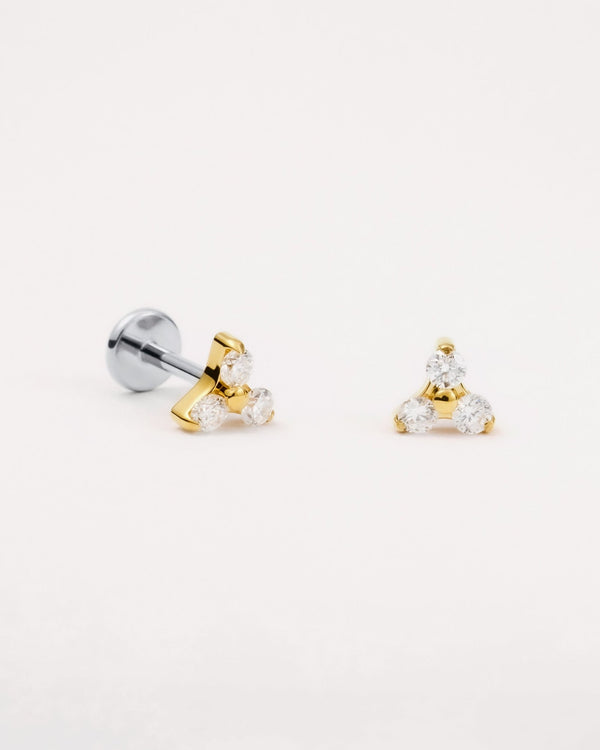
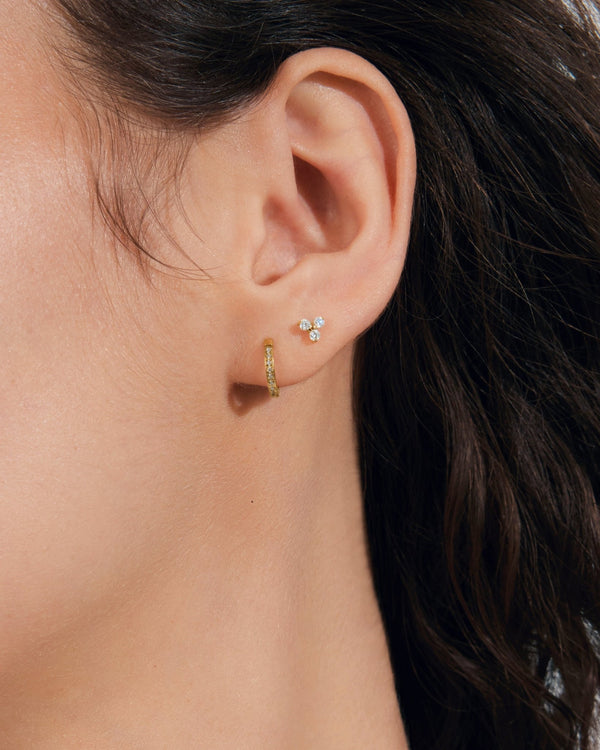
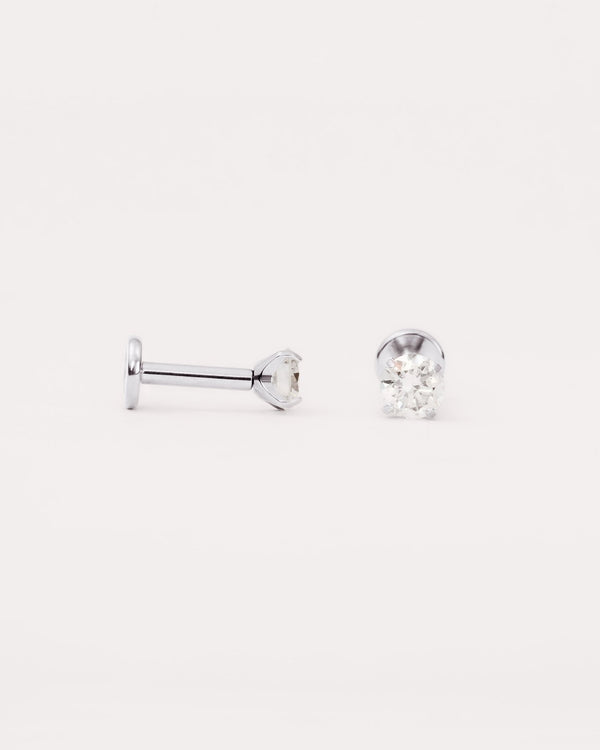
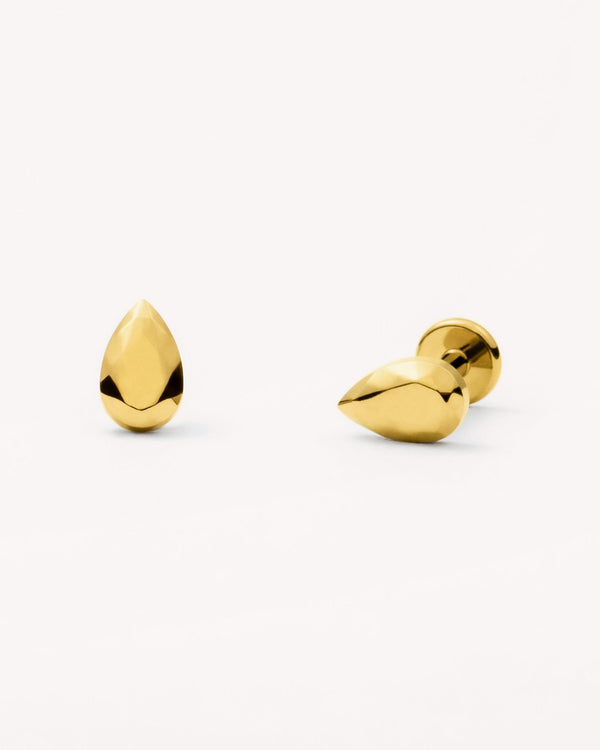
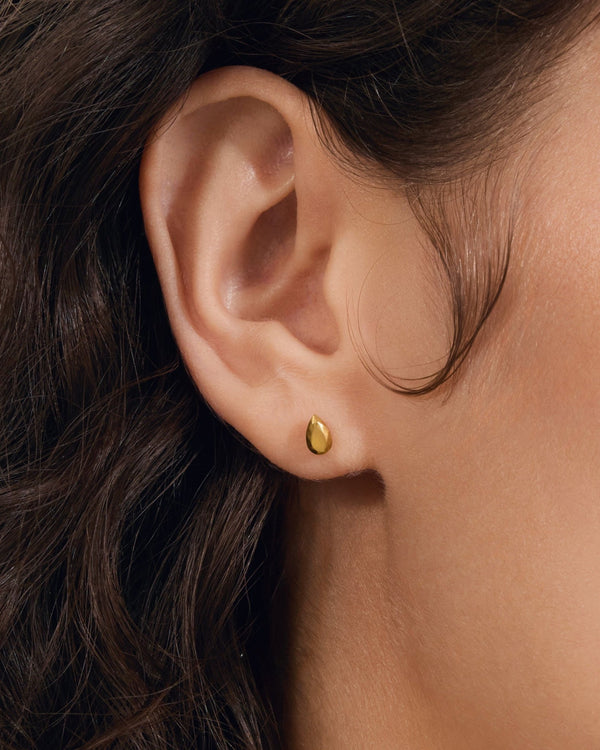
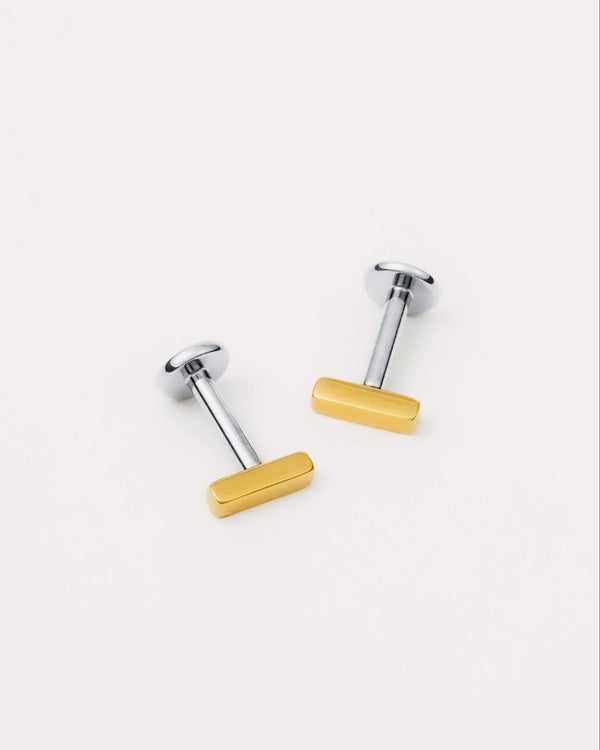
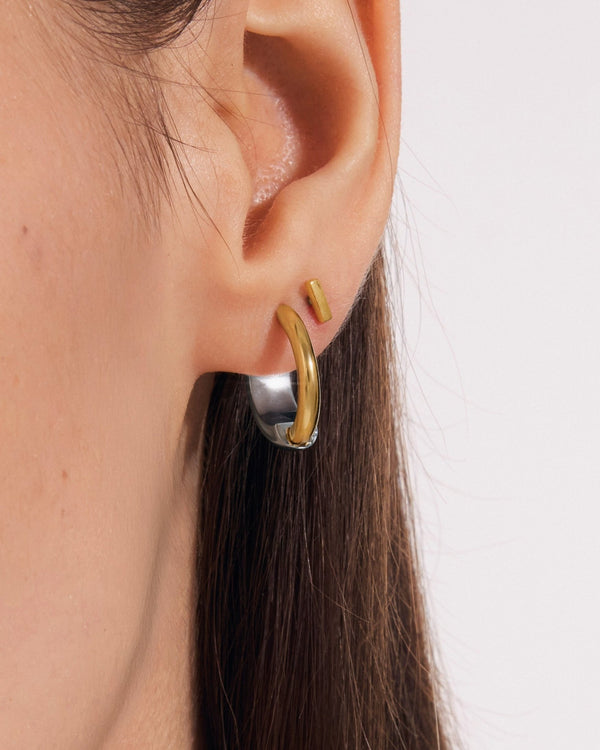
The metal you wear through a healing cartilage piercing matters. Contact dermatitis from nickel exposure is common, so an inert metal is the safer starting point.2 Titanium rarely produces an allergic response, which makes a smooth, well-fitted flat-back titanium stud a sensible choice while the channel matures.2 A flat back also sits closer to the skin than a hoop, which tends to be more comfortable when you sleep and less likely to snag.
The rhokea material edge
Our jewellery is made from implant-grade titanium (ASTM F136), the same grade family used in surgical implants. Independent testing by Intertek measured nickel release below the EU REACH limit of 0.2 micrograms per square centimetre per week, which matters most during the months a cartilage piercing is healing and at its most reactive.
View the Intertek test certificate
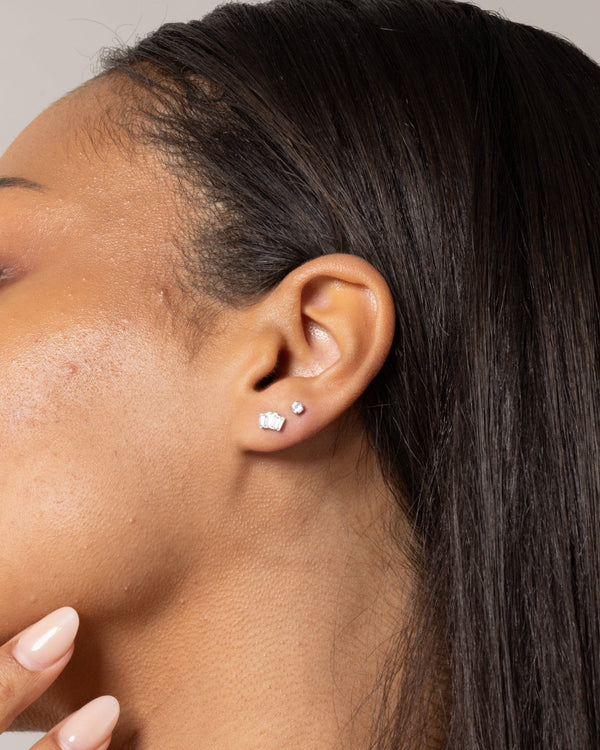
Shop titanium flat-back studsFor most cartilage piercings, a titanium flat-back stud is the easiest jewellery to live with while healing. Once fully settled, you can explore helix hoops and studs or browse the wider titanium earrings range to build your ear.
Sources
- NHS. Infected piercings. Last reviewed 18 April 2023. nhs.uk/conditions/infected-piercings
- Meltzer DI. Complications of Body Piercing. American Family Physician. 2005;72(10):2029-2034. aafp.org
- Association of Professional Piercers. Aftercare (suggested guidelines). safepiercing.org/aftercare
- Post-piercing perichondritis. National Library of Medicine (PMC). ncbi.nlm.nih.gov/pmc/articles/PMC9445946
- Auricular perichondritis by piercing complicated with Pseudomonas infection. National Library of Medicine (PMC). ncbi.nlm.nih.gov/pmc/articles/PMC9443570
- Intertek. Nickel release test certificate for rhokea titanium jewellery. Test certificate (PDF)