Does a Belly Button Piercing Hurt? A Doctor's Guide

Key takeaways
- The pain is brief: a sharp pinch, not a prolonged ordeal, though everyone feels it differently.
- Early tenderness, mild redness and a little crusting are normal for the first few weeks.1
- Navel piercings heal slowly, often six months to a year, because the area constantly moves and rubs.3
- Skin-kind jewellery matters: nickel is a common cause of piercing dermatitis, so material choice is worth getting right.2
How much does it actually hurt
Honestly, less than most people expect, and for less time. A navel piercing is made by passing a needle through a small fold of skin at the upper rim of the belly button, which most people describe as a short, sharp pinch lasting a second or two. After that initial moment, the sensation settles quickly into a dull tenderness.
Pain is genuinely individual. It depends on your anatomy, your piercer's technique, how relaxed you are, and your own sensitivity on the day. There is no single pain score that applies to everyone, so it helps to expect a brief, manageable sting rather than to compare yourself to anyone else's account.
Why the navel feels the way it does
The navel is a moving, folding part of the body, and that is the key to understanding both the sensation and the healing. A standard navel piercing does not go through the belly button itself but through the flap of skin above it. Because this is surface tissue that bends, stretches and rubs against waistbands throughout the day, it behaves quite differently from a piercing through a stable area like the earlobe.
The Association of Professional Piercers notes that not everyone's anatomy is well suited to a navel piercing, and that without a well-defined area of tissue, there is a greater chance of difficulty during healing.3 A good piercer will assess your anatomy before recommending whether, and where, to pierce.
The pain and healing timeline
The discomfort fades within days, but full healing takes far longer. Navel piercings are among the slower piercings to settle, commonly cited at around six months to a year, because the constant bending, stretching and friction the area is subjected to can extend the process.3
Aftercare that keeps it comfortable
Good aftercare is the single biggest thing within your control. The NHS advises cleaning a new piercing twice a day, using warm salty water to soften any crusting, and drying gently with a clean paper towel.1 Always wash your hands first, and choose a qualified, licensed piercer to begin with.
| Do | Avoid |
|---|---|
| Clean twice daily with warm salty water | Picking at crusting |
| Wash hands before touching the piercing | Cleaning with cotton wool (use a pad or bud) |
| Dry with a clean paper towel | Twisting jewellery when the piercing is dry |
| Wear loose clothing over the area | Tight waistbands that snag or rub |
These are general principles drawn from NHS and Association of Professional Piercers guidance.1, 4 Your own piercer's instructions always take priority.
Infection, rejection and warning signs
Most navel piercings heal without incident, but it is worth knowing what to watch for. The NHS describes the signs of an infected piercing as swelling, increasing pain, heat, skin that is very red or dark, and blood or white, green or yellow pus. Feeling hot, cold, shivery or generally unwell is a more serious warning sign.1 If you think a piercing is infected, ask for an urgent GP appointment or call NHS 111, and leave the jewellery in unless a doctor tells you to remove it.1
Separately from infection, navel piercings can migrate or reject. The Association of Professional Piercers explains migration as the jewellery gradually shifting from its original placement, and rejection as the body pushing it out entirely, often leaving a small scar.3 Piercing tracts at the navel are also prone to tearing if caught or pulled.2 Changing jewellery size, style or material, or adjusting aftercare, can sometimes resolve early problems.3
How jewellery choice affects comfort
What sits in the piercing matters more than people realise. Allergic contact dermatitis, frequently caused by nickel, is a well-documented complication of body piercing, and it can keep a piercing irritated long after it should have settled.2 For reactive skin, a low-reactivity material removes one common variable from the healing equation.
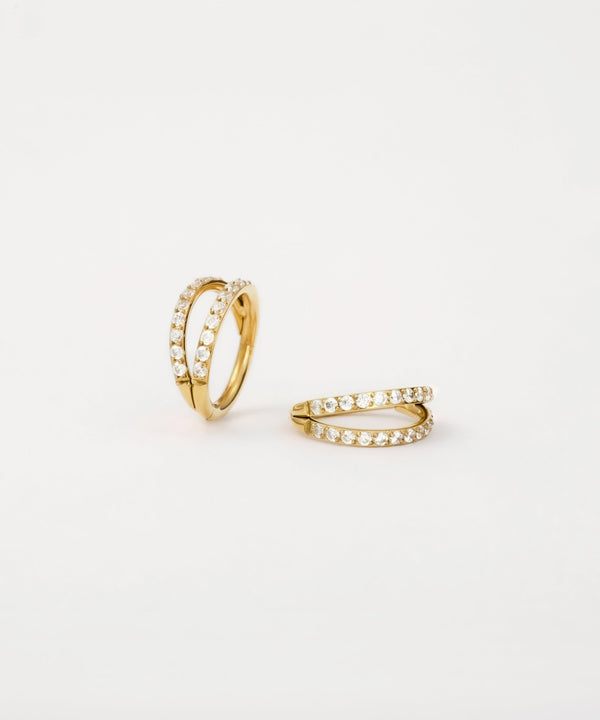
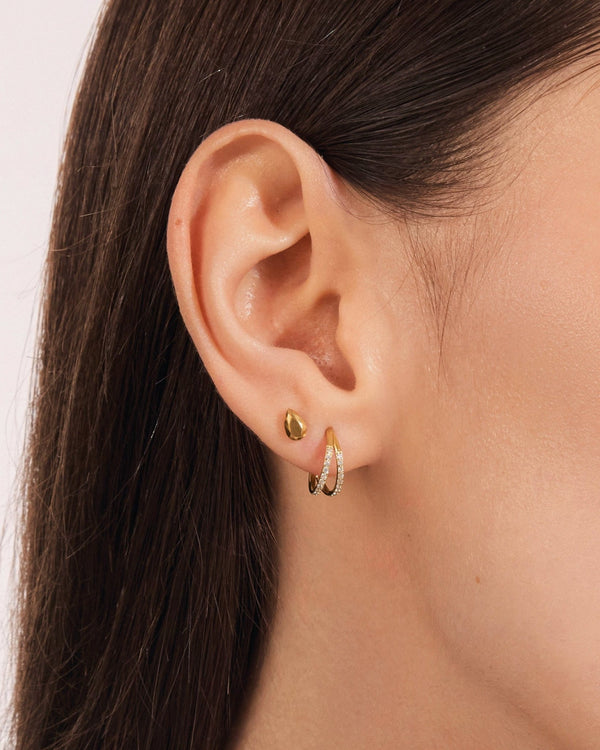
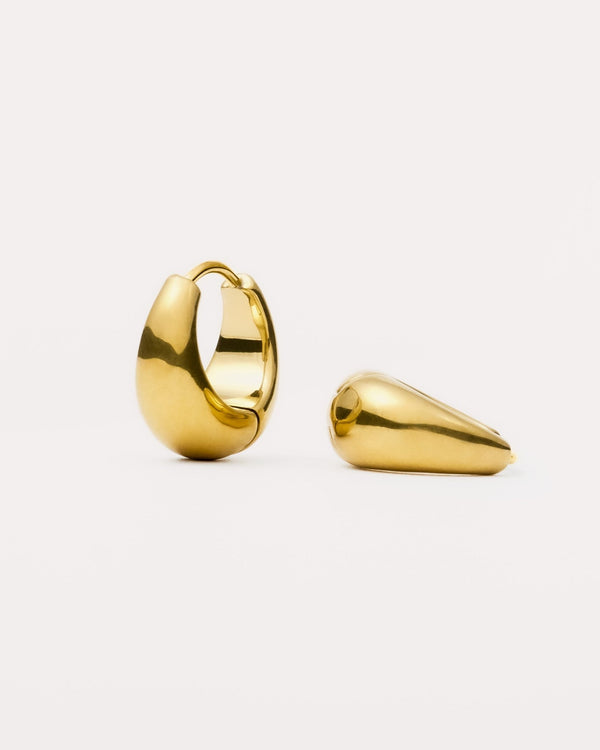
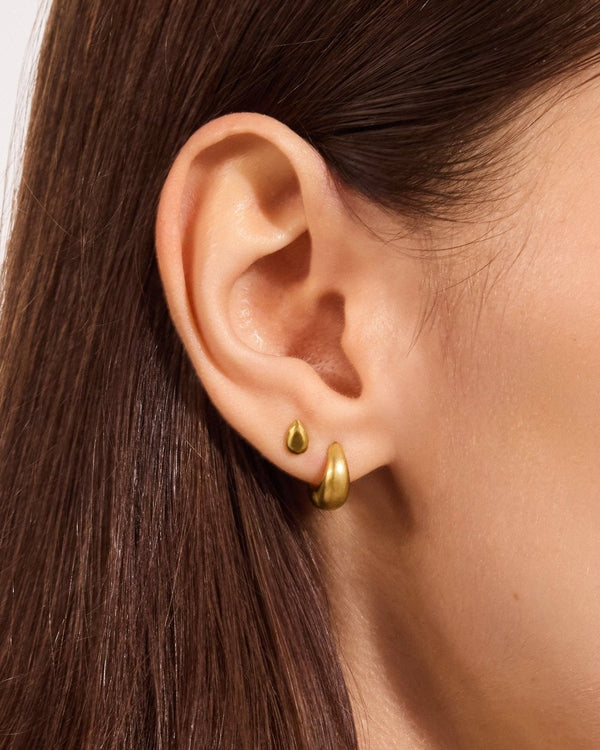
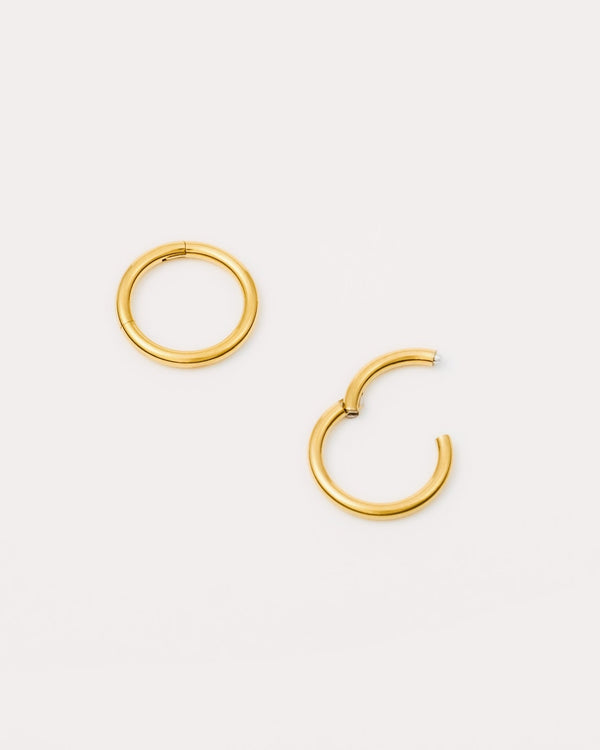
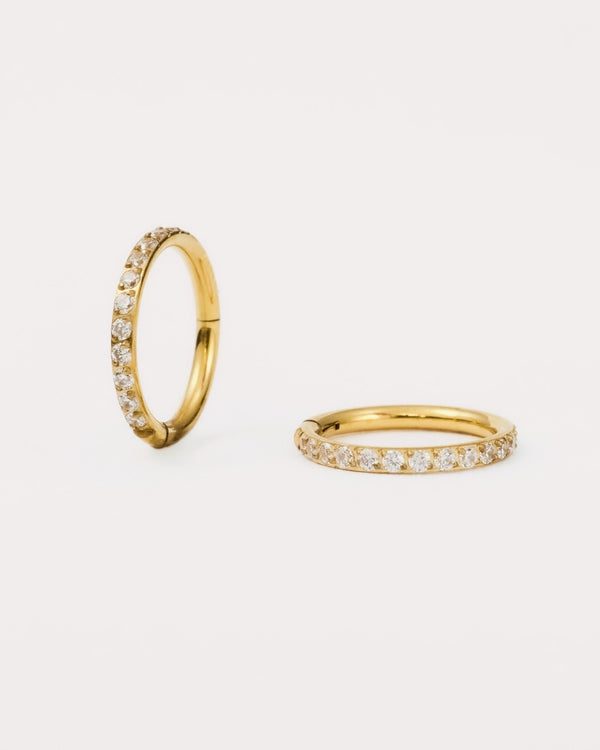
This is the thinking behind our titanium jewellery: implant-grade titanium, the same grade of material trusted in medical implants, chosen for its low reactivity on sensitive skin. Under EU REACH rules, jewellery worn in a piercing must release no more than 0.2 micrograms of nickel per square centimetre per week, measured by the EN 1811 method.5 Our pieces are independently tested by Intertek, with nickel release measured below that threshold. If your skin has reacted to jewellery before, our hypoallergenic range and flat back styles are designed with the same skin-first principles.
Frequently asked questions
Does a belly button piercing hurt?
Yes, briefly. The needle passes through a small fold of skin above the navel, so most people feel a short, sharp pinch lasting a second or two, then tenderness for a few days. Pain is individual.
How long does the soreness last?
The sharp sensation ends almost immediately. The NHS notes a new piercing can stay tender, itchy and slightly red or darker for the first few weeks, sometimes with a pale crust. This is normal early healing.1
Where does a belly button piercing actually go?
Through the upper rim of skin above the belly button, not through the navel itself. Because this is a flap of surface tissue that bends and folds, your anatomy strongly affects comfort and healing.
How long does it take to heal?
Navel piercings are among the slower to heal, commonly around six months to a year, because the area constantly bends, stretches and rubs against clothing.3
How should I clean it?
NHS guidance is to clean twice a day with warm salty water, dry with a clean paper towel, and avoid picking at crusting or using cotton wool. Wash your hands first and follow your piercer's specific advice.1
What are the signs of infection?
Swelling, increasing pain, heat, very red or dark skin, and white, green or yellow pus. Feeling hot, cold, shivery or unwell is a warning sign. Seek an urgent GP appointment or call NHS 111, and leave the jewellery in unless a doctor advises otherwise.1
Can it reject or migrate?
Yes. Migration is the jewellery shifting from its placement; rejection is the body pushing it out completely. Navel anatomy is not always well suited to piercing, and movement and friction can contribute.3
Does jewellery material affect comfort?
It can. Nickel is a common cause of piercing dermatitis. Implant-grade titanium is a low-reactivity option, and ours is independently tested by Intertek with nickel release below the EU limit.2
The skin-first difference
Every rhokea piece is made from implant-grade titanium and chosen for low reactivity on sensitive skin. Our jewellery is independently tested by Intertek, with nickel release measured below the EU REACH limit of 0.2 micrograms per square centimetre per week.
View the Intertek test certificate
Shop titanium jewellery →Sources
- NHS. Infected piercings. Reviewed 18 April 2023. nhs.uk/conditions/infected-piercings
- Holbrook J, Minocha J, Laumann A. Body piercing: complications and prevention of health risks. American Journal of Clinical Dermatology. 2012;13(1):1-17. PMID 22175301. pubmed.ncbi.nlm.nih.gov/22175301
- Association of Professional Piercers. Troubleshooting: migration and rejection. safepiercing.org/troubleshooting
- Association of Professional Piercers. Suggested Aftercare for Body Piercings. safepiercing.org/aftercare
- BS EN 1811:2023. Reference test method for release of nickel from all post assemblies which are inserted into pierced parts of the human body and articles intended to come into direct and prolonged contact with the skin (basis for EU REACH Annex XVII, entry 27). EN 1811 standard reference