What Age Can You Get a Belly Piercing in the UK? A Doctor's Guide

Piercing Guides
Thinking about a belly button piercing and not sure how old you need to be? The honest answer is that UK law is quieter on this than most people expect. Here is what the rules actually say, what studios tend to do in practice, and how to look after a navel piercing once it is done.
There is no UK-wide legal minimum age for a navel (belly) piercing. By law, only genital and nipple piercings are restricted to over-16s, and tattoos to over-18s. In practice, reputable studios set their own age policy, usually piercing under-18s only with a parent present and written consent.1
Key takeaways
- No specific UK law sets a minimum age for a belly piercing; genital and nipple piercings are the only ones legally restricted, and not allowed under 16.1
- Reputable, registered studios set their own age rules and usually require a parent or guardian present, with written consent, for under-18s.1
- A navel piercing is slow to heal, often six months or longer, so a registered studio, skin-safe jewellery and patient aftercare matter.2
Is there a legal age for a belly piercing in the UK?
No single UK law sets a minimum age for a navel piercing. NHS guidance is clear that there are no age restrictions for getting a piercing, other than genital or nipple piercings, which cannot be performed on anyone under 16.1 A belly button piercing is neither, so there is no statutory age you must reach first.
Tattoos are the common point of confusion. Getting a tattoo in the UK is illegal under 18, even with a parent's permission.1 Piercings are treated differently in law, which is why the two are often mixed up.
One caveat worth knowing: rules can differ between the UK nations and between local authorities, and some areas apply stricter standards. If you want the precise position where you live, your local council's environmental health team and a registered studio are the right people to ask.
What age do studios actually pierce belly buttons?
In practice, the studio's own policy decides this, not the law. The NHS notes that some piercing businesses set their own age limits and consent requirements, so it is worth calling ahead to find out.1 Most professional studios pierce under-18s only with a parent or guardian present, and many will not pierce younger teenagers at all.
Here is a simple view of how UK rules and typical studio practice line up by piercing type.
| Piercing | Legal position in the UK | Typical studio practice |
|---|---|---|
| Navel (belly) | No statutory minimum age1 | Often 16+ with ID, or under 18 with a parent present and consent |
| Earlobe, nostril, eyebrow | No statutory minimum age1 | Varies; younger ages often allowed with a parent present |
| Nipple or genital | Not permitted under 161 | Commonly 18+ only |
| Tattoo (for comparison) | Illegal under 181 | Strictly 18+ with photo ID |
Do you need parental consent?
There is no statutory consent form required for a navel piercing, but most studios ask for one anyway when the client is under 18. Expect to bring a parent or guardian in person, and to show photo ID for both of you. This protects the studio and makes sure a young person is making an informed choice with support.
What to check before you book
Choose a registered studio. Every UK studio must register with environmental health and display its certificate; if you cannot see one, treat that as a reason to walk away.1 Using a trusted, certified premises is one of the clearest ways to lower the risk of infection, because these settings have proper hygiene and sterilisation standards.3
It is worth doing your homework: read reviews, look at the piercer's portfolio, and check your local authority's register of skin-piercing premises. A good piercer will also ask about your medical history before they begin.1
How long does a belly piercing take to heal?
Longer than most people expect. A navel piercing sits in tougher tissue and commonly takes six months or more to heal fully.2 It also heals from the outside in, so it can look and feel settled on the surface while the channel underneath is still fragile.2
Friction from clothing around the navel can lengthen healing, and like any piercing it carries a risk of irritation, infection or the jewellery migrating. Across body sites other than the earlobe, around 23% of people in one study reported a medical complication, which is a useful reminder to take aftercare seriously.3
Aftercare basics
Keep it simple and clean. Wash your hands before touching the area, and rinse with a sterile saline made for wound care as advised by your piercer.2 Leave new jewellery in place for several weeks before any change, and avoid twisting or playing with it.1
While it heals, avoid submerging the piercing in pools or baths, and protect it from friction. See your GP or a clinician if it becomes increasingly sore, swollen or oozes yellowish discharge, as these can be signs of infection.1 For specific aftercare, always follow the instructions your piercer gives you.
Choosing skin-safe jewellery for reactive skin
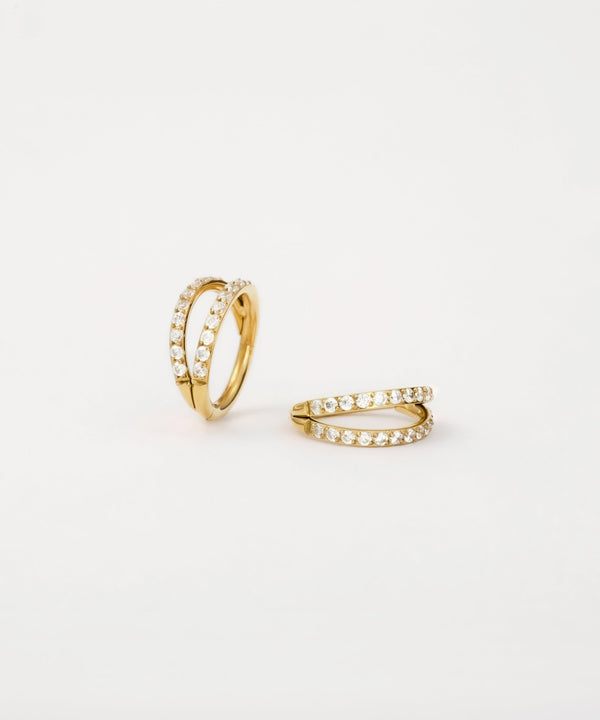
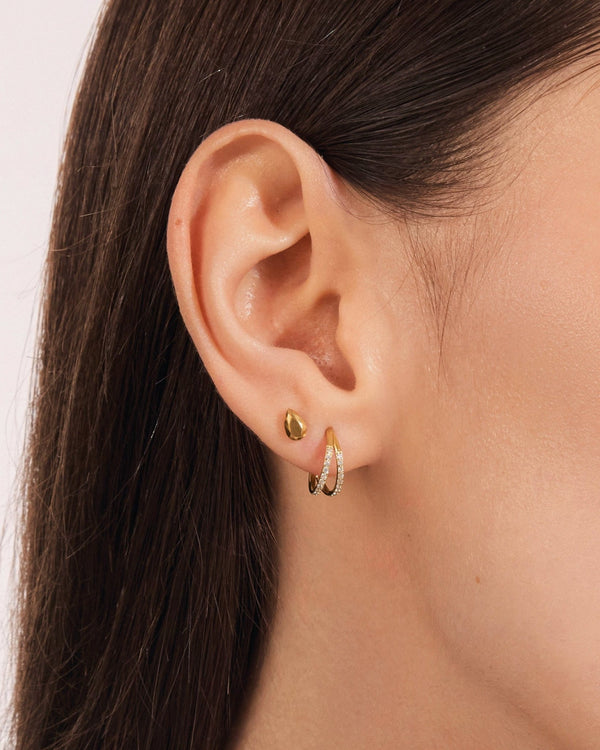
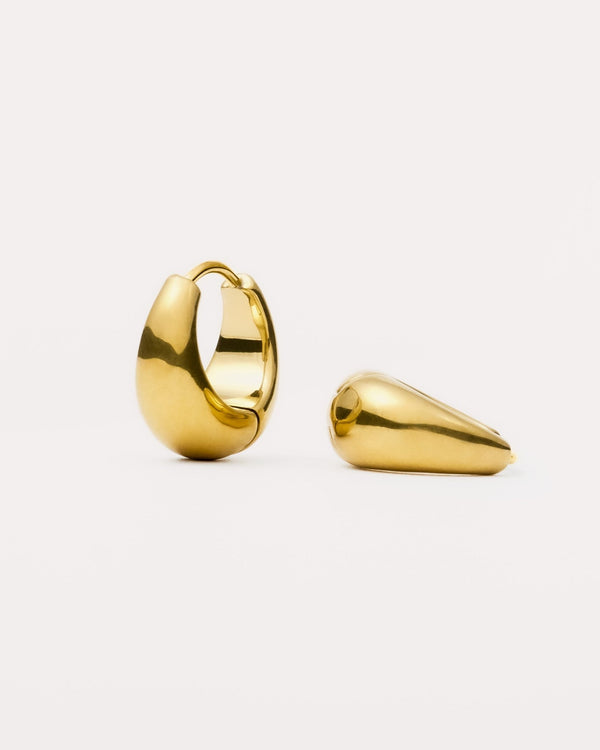
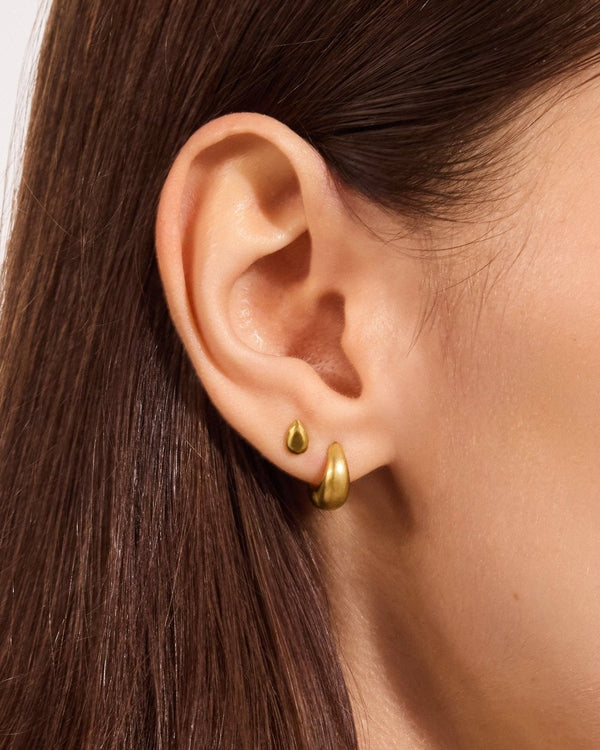
If your skin reacts to jewellery, the metal matters. A smooth, biocompatible metal such as implant-grade titanium is a sensible starting point for sensitive skin, and is the same family of material trusted in medical implants. Your piercer fits the correct size and style for a fresh piercing; once you are fully healed and ready to wear everyday pieces, skin-kind options are worth seeking out.
At rhokea we focus on titanium because it suited our doctor founder's own reactive skin. If you are building a skin-friendly collection, our hypoallergenic earrings and wider range of titanium jewellery are designed around exactly this. For everyday ear styles, our titanium earrings carry the same material thinking.
Why titanium, and how we prove it
Rhokea uses implant-grade titanium (ASTM F136 and F67) chosen for skin tolerance. Our pieces are independently tested by Intertek, with nickel release measured below the EU REACH limit of 0.2 ug/cm2 per week. We would rather show the evidence than make claims.
Read the Intertek test certificate (PDF)
Explore titanium jewellery →Common questions
What age can you get a belly button piercing in the UK?
There is no UK-wide legal minimum age for a navel piercing. By law, only nipple and genital piercings are restricted, and cannot be performed on anyone under 16. In practice, most registered studios set their own age policy and pierce under-18s only with a parent or guardian present.
Is there a law setting a minimum age for a navel piercing?
No single UK law sets a minimum age for a belly piercing. NHS guidance states there are no age restrictions for piercings other than genital or nipple piercings, which cannot be done under 16. Tattoos are different and are illegal under 18.
Can under-16s get a belly piercing?
It is not unlawful for a navel piercing, but reputable studios rarely pierce young teenagers, and most require a parent or guardian to attend and give written consent. Always call ahead, as policies vary by studio and local area.
Do you need parental consent for a belly piercing?
There is no statutory consent requirement for a navel piercing, but most professional studios ask under-18s to bring a parent or guardian and sign a consent form. Bring photo ID for both of you.
How long does a belly piercing take to heal?
A navel piercing sits in tougher tissue and is slow to heal, often six months or longer. It heals from the outside in, so it can feel settled while the inside is still fragile.
What jewellery is best for a new belly piercing?
A smooth, skin-safe metal such as implant-grade titanium is a sensible choice for reactive skin. Your piercer will fit the correct size and style; this guide is informational and not a substitute for their advice.
Are belly piercings safe?
Like any piercing, a navel piercing breaks the skin and carries a risk of infection, irritation or migration. Using a registered studio and following aftercare lowers that risk. See a clinician if you notice spreading redness, swelling or discharge.
How do you look after a new belly piercing?
Keep it clean, wash your hands first, and rinse with sterile saline as advised. Avoid twisting the jewellery and submerging it in water while healing. Follow your piercer's specific aftercare and seek medical advice if it looks infected.
Sources
- NHS (Norfolk and Waveney, FYI), Piercings and Tattoos. Available at: https://www.fyinorfolk.nhs.uk/my-health/piercings-tattoos/
- Association of Professional Piercers (APP), Aftercare. Available at: https://safepiercing.org/aftercare/
- Preslar D, Borger J. Body Piercing Infections. StatPearls, NCBI Bookshelf, 2023. Available at: https://www.ncbi.nlm.nih.gov/books/NBK537336/