What Age Can You Get a Nose Piercing in the UK?

Piercing guides
Thinking about a nose piercing, or helping a teenager plan theirs? The first question is usually about age. The honest answer is that the UK has no single law setting a minimum age for a nose piercing, so the rules come down to the studio and your local council. Here is how it works, and how to choose jewellery that is kind to a fresh piercing.
Quick answer
There is no specific UK law setting a minimum age for a nose piercing. Unlike tattooing, which is illegal under 18, nose piercing is governed by individual studios and local council licensing.2, 4 Most reputable piercers work from 16 with photo ID, and pierce under-16s only with a parent or guardian present.
Key takeaways
- No UK-wide law sets a minimum age for a nose piercing. The Tattooing of Minors Act 1969 covers tattoos only, not piercings.
- Age and consent rules are set by each studio and local authority. Most pierce from 16 with ID, and under-16s with a parent or guardian present.
- Wales bans intimate piercings on under-18s, but the nose is not an intimate area, so a nostril piercing is not covered by that ban.
- For a fresh piercing, choose a licensed piercer and skin-kind jewellery, and follow professional aftercare advice.
Is there a legal age limit for nose piercings in the UK?
No single UK law sets a minimum age for a nose piercing. This often surprises people, because tattooing is different: the Tattooing of Minors Act 1969 makes it an offence to tattoo anyone under 18, but that Act applies to tattoos only and does not cover piercings.2
Instead, body piercing is registered and regulated locally. In England and Wales, piercers and premises are registered with the local authority under the Local Government (Miscellaneous Provisions) Act 1982, and councils can attach their own conditions, including age and consent requirements.4 The result is that the age you can be pierced depends on the studio and the area, not on one national rule.
Getting a nose piercing at 16 and over
From 16, most reputable studios will pierce you with valid photo ID and no parent needed, though some set their own line at 18. Policies differ, so it is worth phoning ahead and asking two things: their minimum age for a nostril piercing, and what ID they accept. A piercer declining without the right paperwork is a good sign, not an inconvenience: it shows they take licensing and consent seriously.
Under 16: consent and what to expect
If you are under 16, expect to bring a parent or legal guardian. In practice, most licensed piercers ask a parent or guardian to attend the appointment, show their own ID and sign a written consent form, and some studios choose not to pierce younger children at all. None of this is a fixed national age. It is the studio applying its licence conditions and its own duty of care, so always confirm the policy before travelling to an appointment.
The rules across the UK nations
The broad picture is similar across the UK, with a few important differences worth knowing before you book.
| Nation | Statutory age limit for nose piercing | In practice |
|---|---|---|
| England | None specific | Studio and council policy; commonly 16+ with ID, under-16 with parent or guardian |
| Wales | None for the nose; intimate piercings banned under 183 | Same studio and council approach as England |
| Scotland | Skin piercing is a licensed activity | Studios typically require a parent or guardian present for under-16s |
| Northern Ireland | None specific | Studio and council policy |
One point on Wales: the Public Health (Wales) Act 2017 makes it an offence to perform an intimate piercing on anyone under 18. The intimate areas it lists are the breast, buttock, penis, vulva and tongue, so the nose is not included and a nostril piercing is not affected by that ban.3
What ID you will need
Bring government-recognised photo ID. Accepted documents usually include a passport, a provisional or full driving licence, or a PASS-accredited proof-of-age card. If you are under 16, your parent or guardian should bring their own photo ID too, since the studio may need to record their consent. Carrying ID is sensible at any age, as piercers often ask even when you look comfortably over 18.
Choosing safe jewellery for a new nose piercing
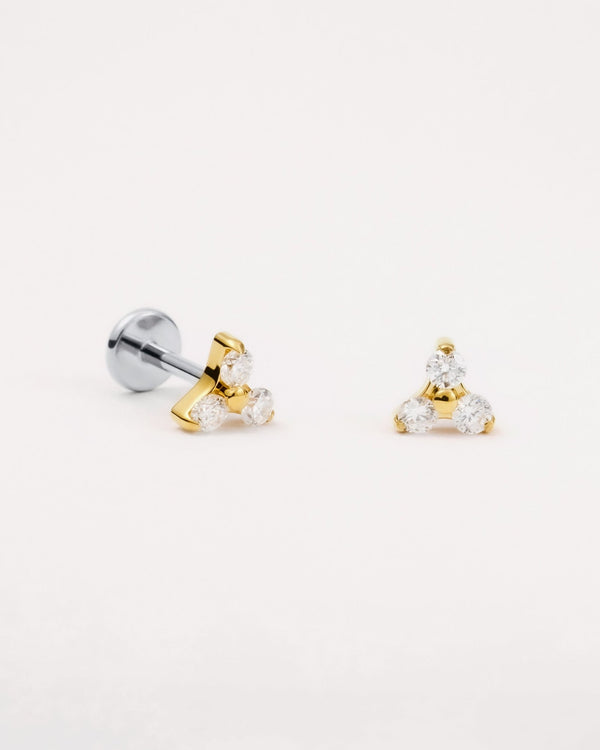
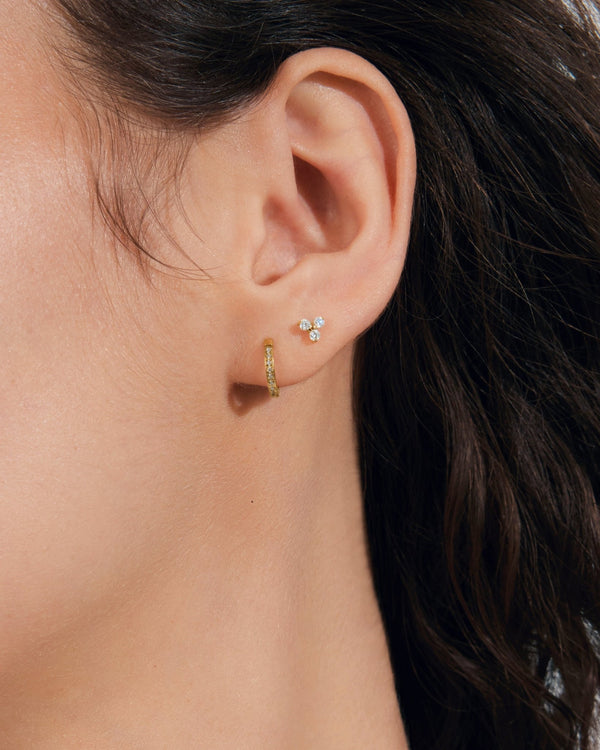
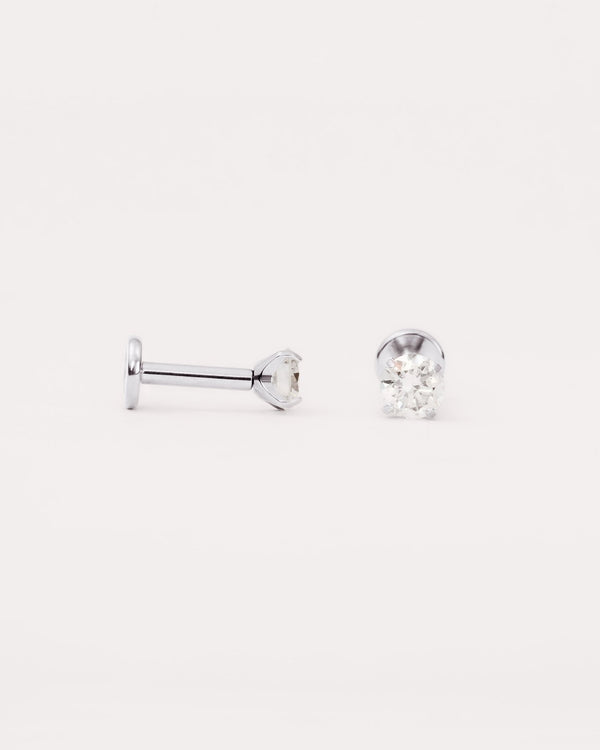
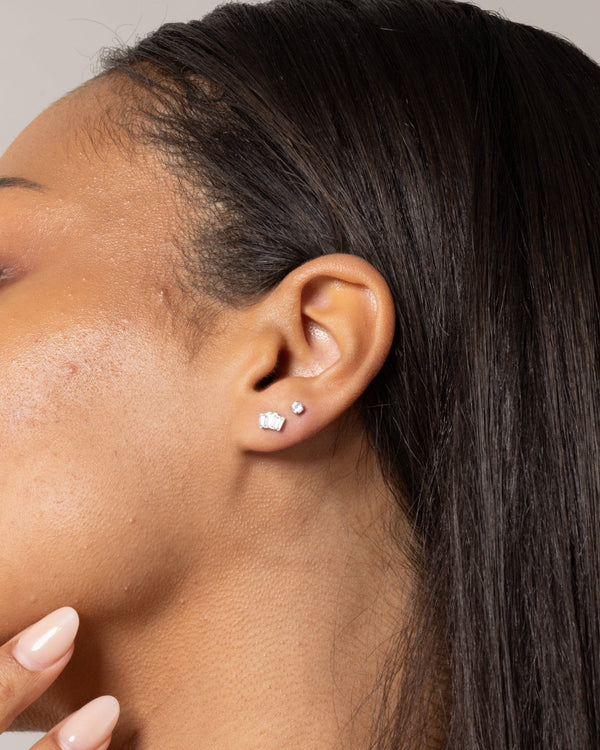
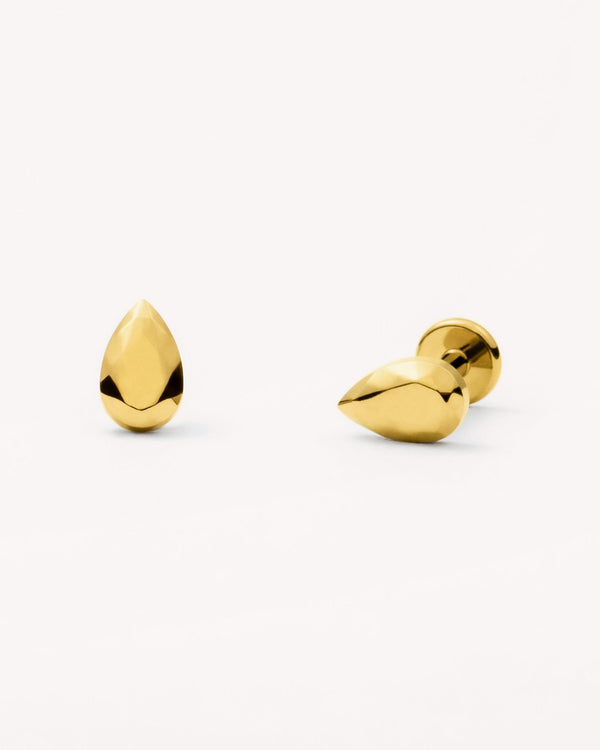
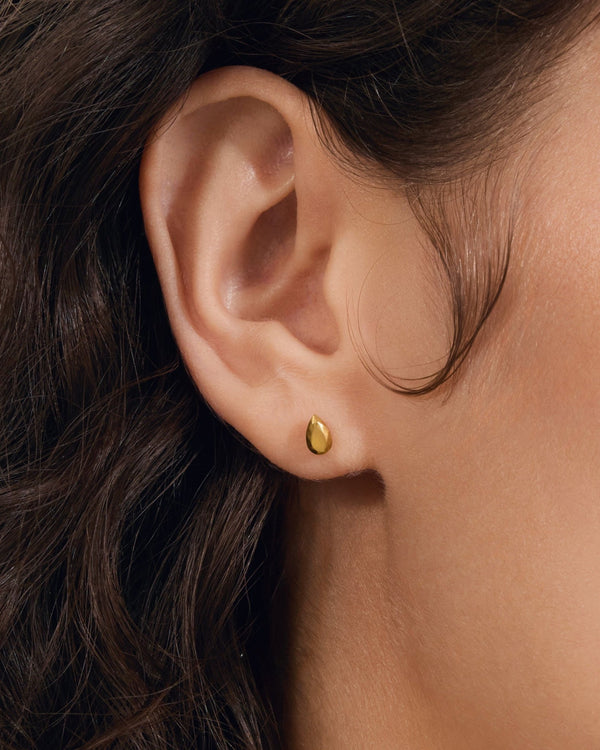
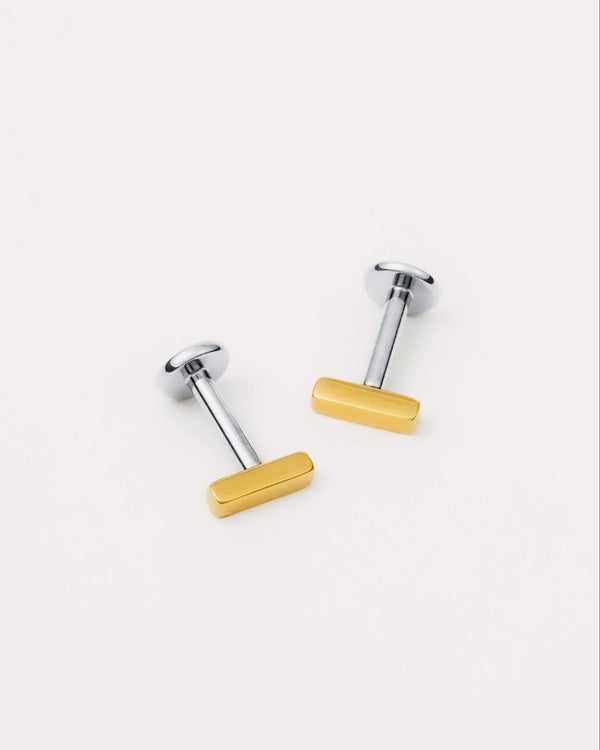
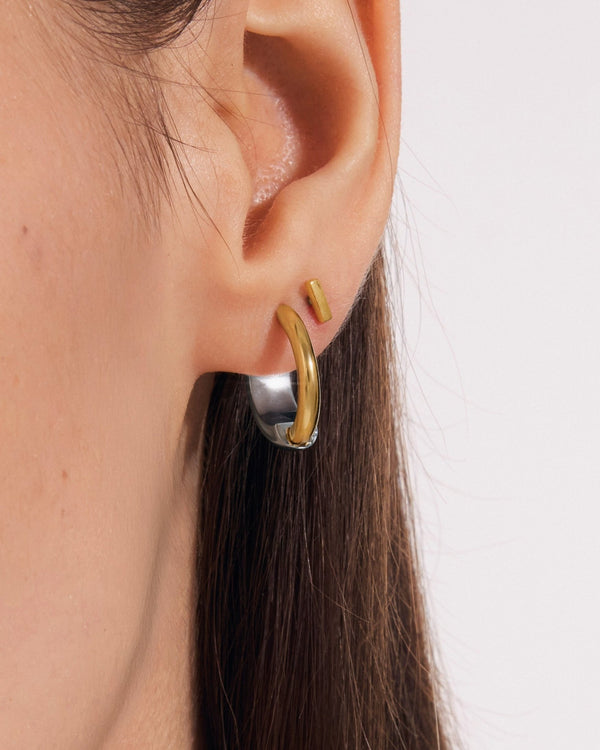
For a fresh piercing, the metal touching your skin matters as much as the age on your ID. Reactive skin and new wounds are less forgiving, so many people choose a light, low-nickel-release material. Implant-grade titanium is a popular option, and a good piercer will advise on the right style and fit for a healing nostril. Our flat back studs and wider titanium jewellery are designed with sensitive skin in mind.
The Rhokea material difference
Rhokea pieces are made from implant-grade titanium (ASTM F136), the same family of material trusted in medical implants. Independent testing by Intertek measured nickel release below the EU REACH limit of 0.2 micrograms per square centimetre per week.5 It is light, waterproof and made for everyday wear.
View the Intertek test certificate
Shop hypoallergenic titanium →Healing and aftercare basics
Follow the aftercare your piercer gives you, and watch how the piercing settles. For the first few weeks a new piercing can feel tender and look slightly red on lighter skin or a little darker on deeper skin, and may form a pale crust. With ear or nose cartilage, small lumps called granulomas can sometimes appear, which the NHS notes are trapped fluid.1
The NHS advises keeping the area clean, cleaning gently with warm salty water, drying with a clean paper towel, and leaving your jewellery in unless a doctor tells you to remove it. Seek urgent medical help if the area becomes swollen, hot, very red or dark, leaks pus, or you feel generally unwell, as these can be signs of infection.1
Sources
- NHS. Infected piercings. nhs.uk/conditions/infected-piercings
- Tattooing of Minors Act 1969. legislation.gov.uk/ukpga/1969/24
- Public Health (Wales) Act 2017, section 100 (intimate piercing of children). legislation.gov.uk/anaw/2017/2/section/100
- Local Government (Miscellaneous Provisions) Act 1982 (registration of piercers and premises). legislation.gov.uk/ukpga/1982/30
- Intertek independent nickel release test certificate, Rhokea titanium jewellery. View certificate (PDF)