Can You Fly After a Piercing? A Calm Travel Guide for New Piercings

Travel and piercing care
A new piercing should not change your travel plans. Flying is safe with a fresh piercing, and the worries people hear about cabin pressure are largely a myth. What does matter is keeping the area clean and knowing what normal healing looks like while you are away from your usual routine.
Quick answer
Yes, you can fly after a piercing. Cabin pressure does not force jewellery out or harm a settling piercing, so the real considerations are hygiene and swelling. Keep your initial jewellery in,1, 2 wash your hands before touching it, and watch for any signs of infection while you travel.1, 4
Key takeaways
- Flying is safe with a new piercing, and pressure changes do not damage it or move the jewellery.
- Leave your initial jewellery in for the entire healing period.1, 2
- Pack sterile saline, wash your hands before touching the area, and avoid pools and the sea until healed.2
- Learn the signs of infection and where to get help before you go.1, 4
On this page
Can you fly after a piercing?
Yes, you can fly after a piercing, including soon after it is done. There is no fixed medical waiting period before air travel. A piercing is a small puncture wound rather than a sealed space, so it heals on the surface of your body in the same way whether you are at home or in the air.
If you have a choice, some people prefer to wait a few days so the first wave of swelling and tenderness settles before a long journey. That is comfort, not safety. The more useful preparation is practical: pack what you need to keep the area clean, choose jewellery that sits flat, and know what healthy healing looks like so nothing catches you out while you are away.
Does cabin pressure affect a new piercing?
No. There is no evidence that the change in cabin pressure during a flight damages a piercing or pushes the jewellery out. The idea that a piercing might react to altitude comes from comparing it to a sealed, air-filled cavity, which it is not. Air pressure equalises around an open puncture, so a healing ear, nose or body piercing simply travels with you.
What you may notice is ordinary early swelling, which has more to do with sitting still for hours and being a little dehydrated than with the flight itself. Drinking water and avoiding knocking the area help far more than removing jewellery would.
Airport security and body jewellery
You do not normally need to remove body jewellery to pass through airport security. Good quality titanium jewellery is light and non-magnetic, so it rarely sets off a walk-through metal detector. Hand-held wands are more sensitive and can occasionally alarm when passed directly over metal jewellery.
If that happens, you can ask the security officer for a visual inspection instead of taking a healing piece out. Removing initial jewellery in a busy airport is exactly the situation to avoid, because a fresh channel can begin to close quickly once the jewellery is out.2 Flat-back styles are particularly easy here, since there is no loose back to misplace.
Should you remove jewellery to fly?
No, leave it in. The Association of Professional Piercers advises keeping initial jewellery in place for the entire healing period, because even a well-established piercing can shrink or close within minutes once the jewellery is removed, and re-insertion can be difficult or impossible.2 The NHS gives the same guidance for any piercing: leave your jewellery in unless a doctor tells you to take it out.1
If a jewellery change genuinely cannot wait, have it done by a qualified piercer rather than attempting it yourself in a hotel room. Removing jewellery while an infection is present can trap the problem under the skin, so it is not something to rush.2
Staying clean while you travel
Healing is mostly about leaving the piercing alone and keeping your hands away from it. Wash your hands before you touch the area, clean the piercing once or twice a day with sterile saline, and do not twist, spin or rotate the jewellery.2 Travel simply adds a few logistics.
- Pack sterile saline in your hand luggage within airline liquid limits, or buy it at your destination.
- Carry a small supply of clean tissue or non-shedding gauze for drying.
- Wash your hands before any contact, especially after handling trays, rails and seatbacks.
- Sleep on the opposite side where you can, and keep bedding and pillows clean.
- Resist the urge to check or fiddle with the piercing through the day.
Swelling, swimming and sun
Some swelling, tenderness and a little crusting are normal in the early weeks and should not be mistaken for infection.1 Long flights and warm climates can make a new piercing feel more sensitive, so stay hydrated and avoid knocking it.
Holidays bring water, and water is where care matters most. Avoid submerging a healing piercing in swimming pools, hot tubs, lakes and the sea until it has healed, as these can carry bacteria.2 A waterproof material like titanium is perfectly happy in the shower, but open water is a different kind of exposure. Rinse with clean water and dry gently afterwards if the area does get wet.
Spotting infection while away
Knowing the warning signs before you travel means you can act quickly if something changes. An infected piercing tends to become more red, swollen, hot and painful rather than less, and may produce pus or develop red streaks spreading from the site, sometimes with a fever or tender glands.1, 4
An infected piercing can become serious if it is not treated promptly, so do not wait it out.1 Seek local medical care, and back home in the UK you can call NHS 111 or use 111 online for advice. Keep the jewellery in unless a clinician advises otherwise, as removing it can make matters worse.1
Why titanium travels well
The metal you wear makes the practical side of travel easier. Implant-grade titanium that meets the ASTM F136 specification is the same alloy used in surgical implants, chosen for its strength, corrosion resistance and biocompatibility.5 It is light, it does not tarnish, and it is non-magnetic, which is why it is so well suited to airports, showers, sweat and sleep.
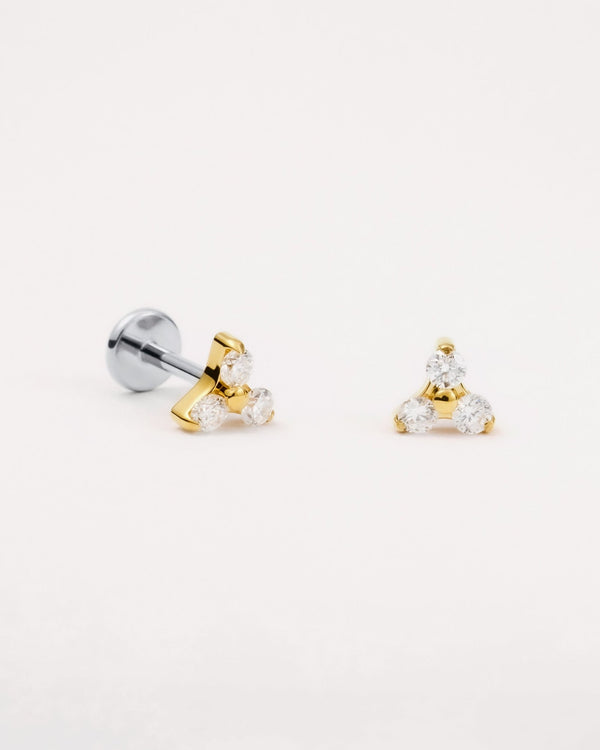
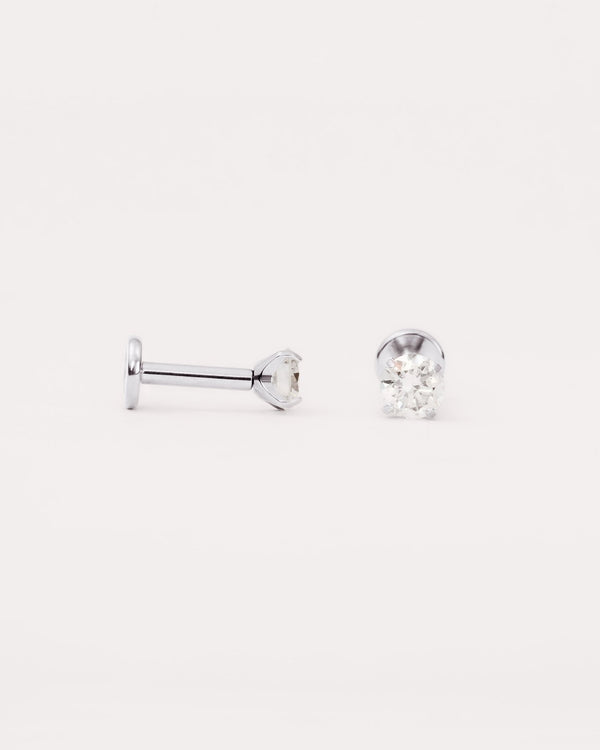
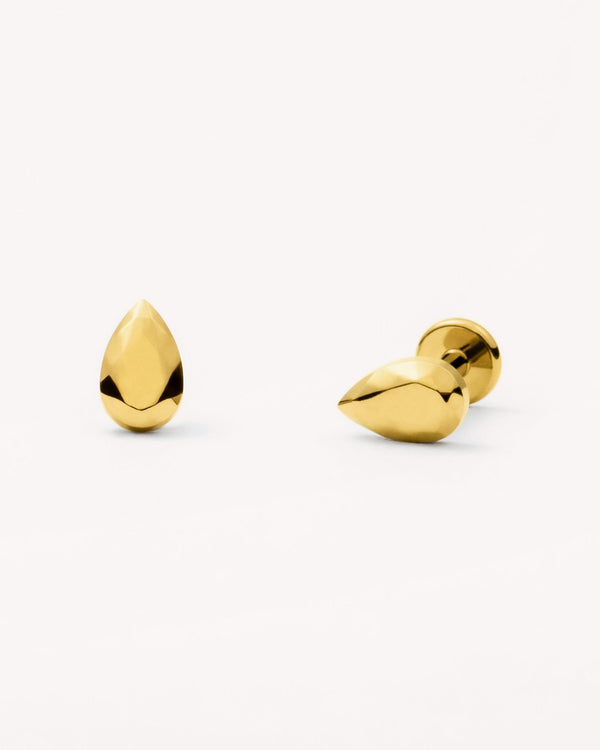
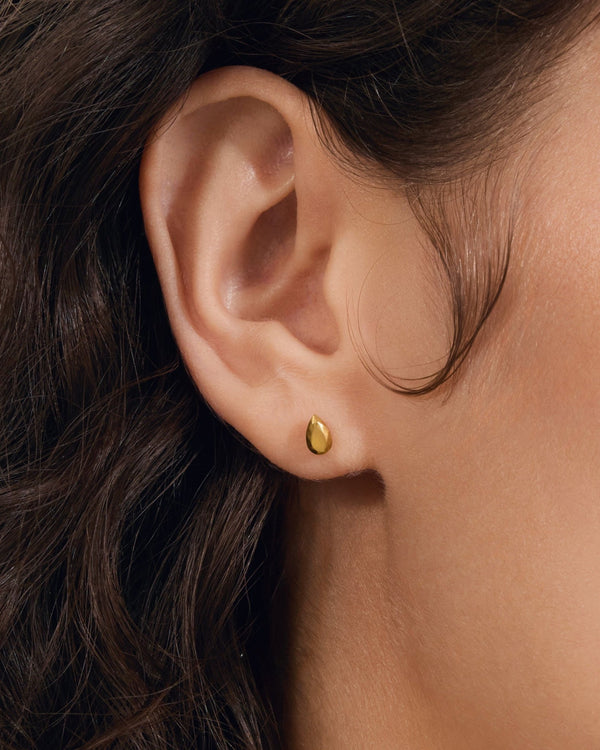
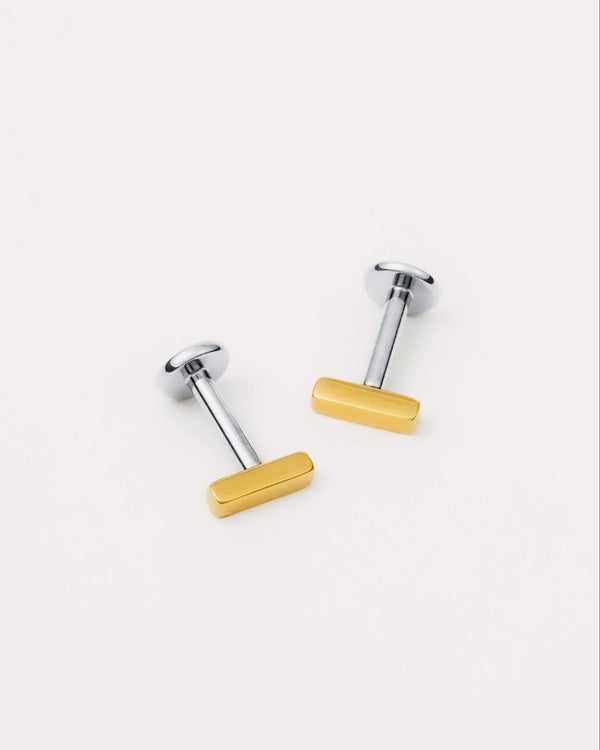
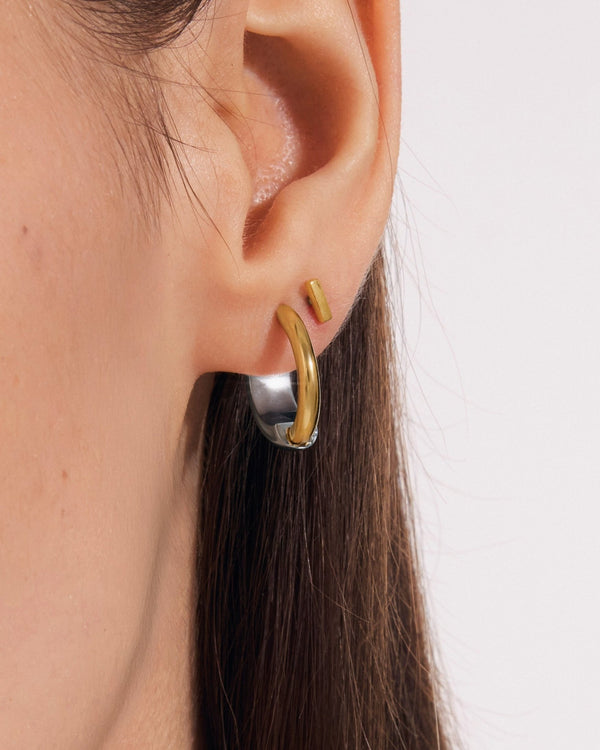
For a piece you intend to keep in through a journey, a smooth flat-back stud is a sensible choice. There is no loose fitting to lose, nothing to snag on a scarf or headrest, and the low profile sits comfortably against a pillow. If you are building a travel-ready set, our flat-back studs and wider titanium jewellery are all made from skin-safe titanium, and our hypoallergenic earrings suit reactive skin that flares easily on the move.
Made for your skin, tested to prove it
Every rhokea piece is made from implant-grade titanium and independently tested by Intertek, with nickel release measured below the EU REACH limit of 0.2 ug per square centimetre per week. That is the kind of material honesty that makes wearing a piece through travel, showers and sleep an easy decision.
Read the independent Intertek test certificate.
Shop flat-back studs →Sources
- NHS. Infected piercings. National Health Service. nhs.uk/conditions/infected-piercings
- Association of Professional Piercers. Aftercare. safepiercing.org/aftercare
- Association of Professional Piercers. Troubleshooting. safepiercing.org/troubleshooting
- Preslar D, Borger J. Body Piercing Infections. StatPearls. National Center for Biotechnology Information, NIH. ncbi.nlm.nih.gov/books/NBK537336
- ASTM International. F136 Standard Specification for Wrought Titanium-6Aluminium-4Vanadium ELI Alloy for Surgical Implant Applications. astm.org/Standards/F136.htm